
Mar 23
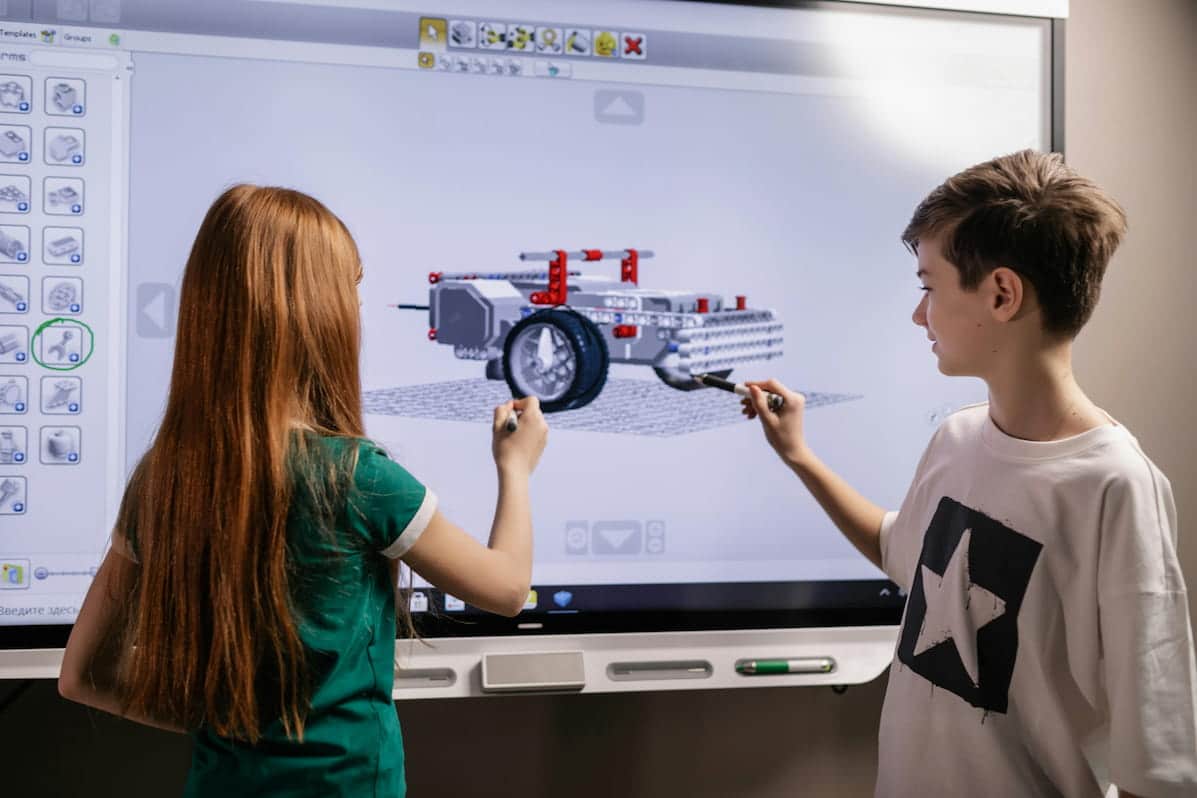
Clear Touch Interactive Displays for Schools and Workplace Safety
Attention is hard to capture and even harder to keep. In classrooms, students tend to lose focus when lessons feel …
Classroom learning today goes beyond textbooks and chalkboards. It’s interactive, visual, and powered by audiovisual (AV) tools that make lessons more engaging and easier to understand.
Schools should support digital learning by investing in technologies and collaborative platforms that create engaging environments. These tools help students stay involved and give teachers greater flexibility in how they present and adapt lessons.
That’s why AV planning for schools for 2026-27 is critical to shaping modern learning spaces. Thoughtful planning allows districts to future-proof classrooms, enhance collaboration, and align their investments with teaching goals and budget priorities.
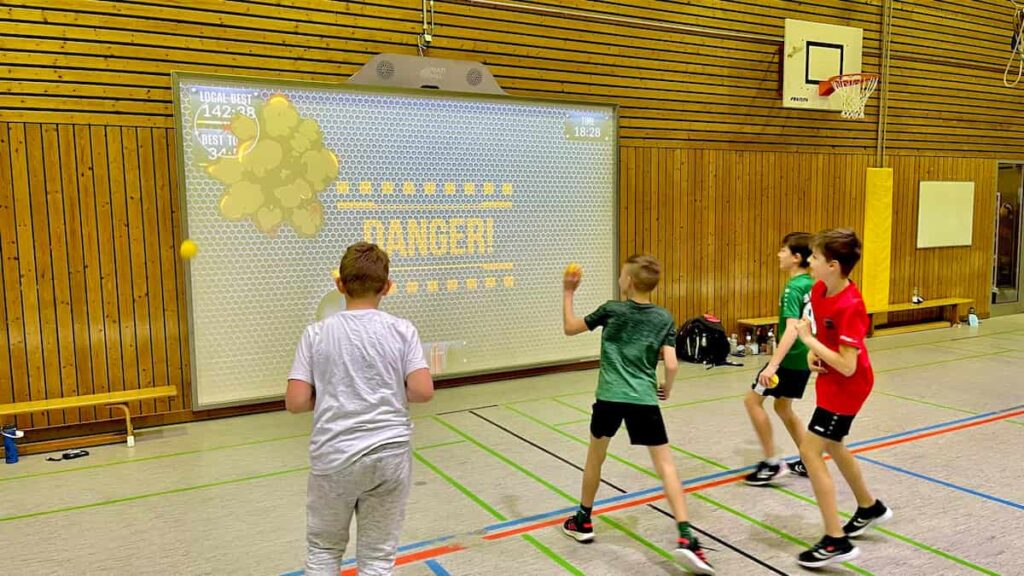
Technology now supports nearly every part of education. As such, AV technology for schools ranges from interactive displays and video conferencing tools to augmented reality, virtual reality, and AI-powered learning systems.
But having more tools does not always mean better results, and data shows that. Sixty-seven percent of education software licenses go unused, and nearly 98% are underutilized. Also, 7,000 teaching tools, that is $13 billion in spending, 85% were either a poor fit for classrooms or implemented incorrectly.
These numbers show that technology without a strategy often leads to wasted investment. AV planning in schools ensures districts choose suitable tools, integrate them seamlessly, and align them with educational goals, ensuring technology is valuable and used effectively.
It’s easy to get excited about your new classroom AV upgrades. But every district must balance innovation with responsible budgeting.
As you prepare for your school budget planning for 2026-27, consider these key factors for alignment:
Every district operates within defined fiscal cycles, typically from July through June. Understanding these timelines helps you schedule AV upgrades and major purchases strategically.
Planning ahead also helps your school line up AV purchases with capital projects and funding approvals. Instead of delays and rushed decisions at the end of the fiscal year, you can make smarter choices that fit your budget, procurement needs, and timeline.
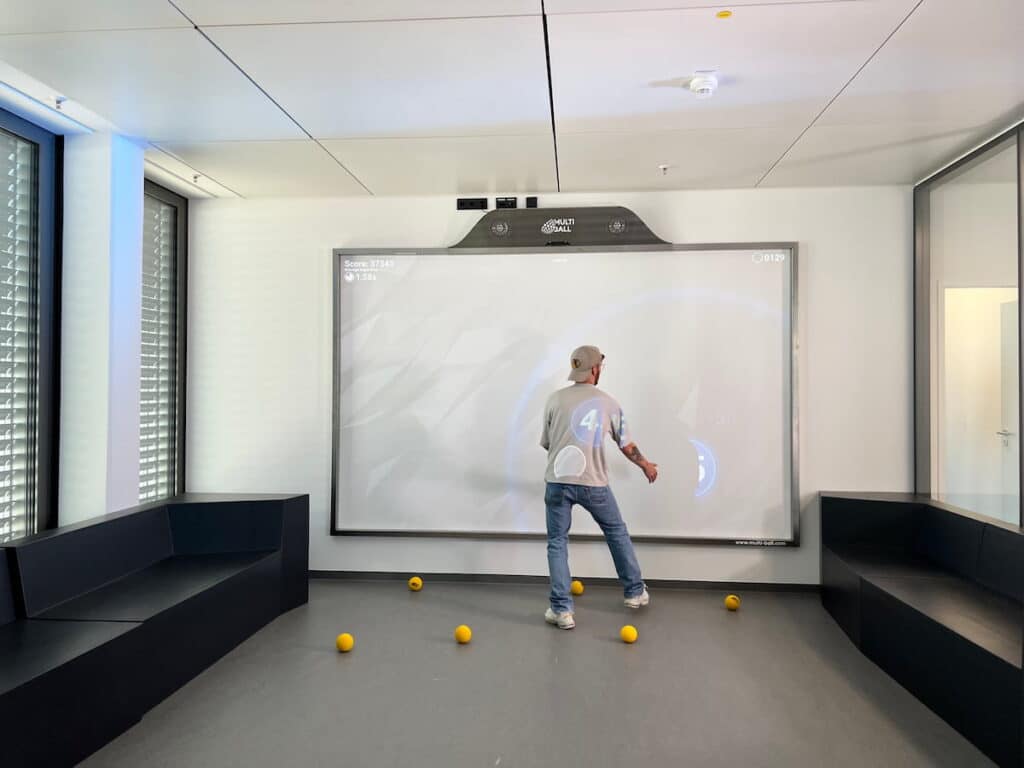
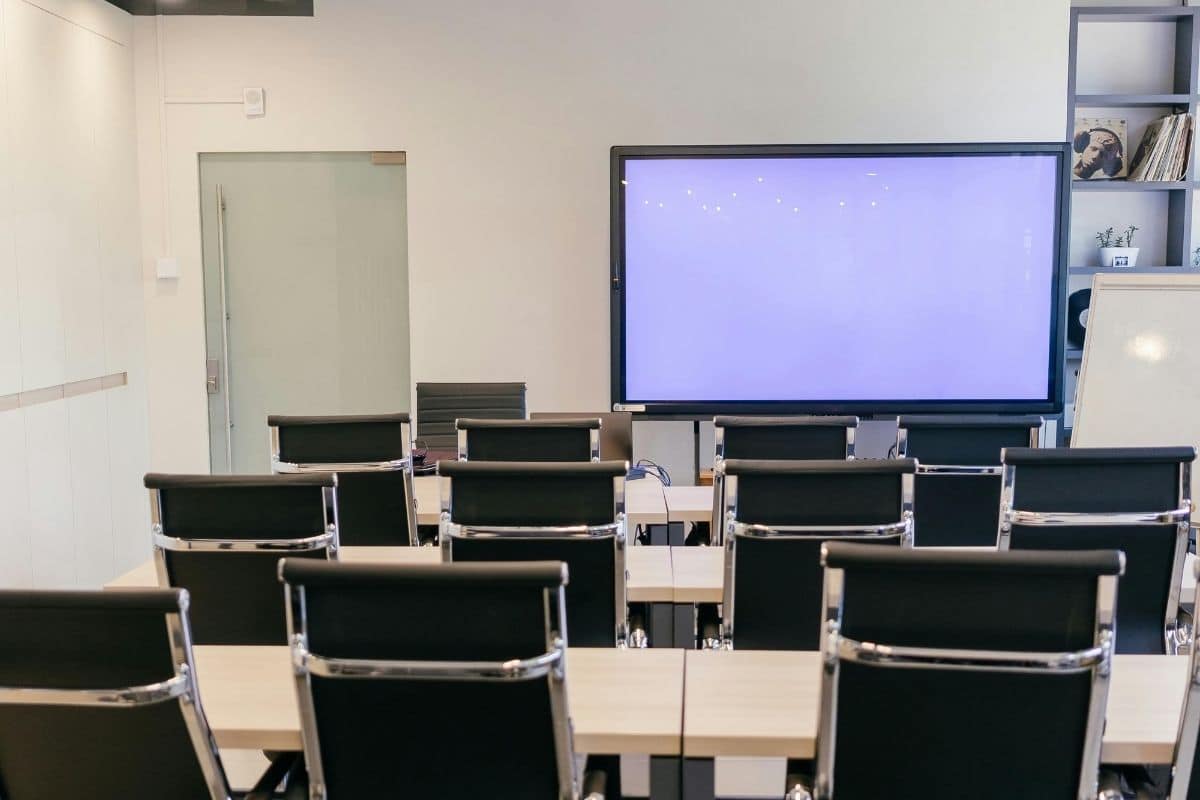
Before investing, review your current education AV systems and also identify gaps in performance or compatibility. Consider factors such as class size, teaching formats, hybrid needs, and tools like video conferencing platforms and interactive whiteboards.
Involve teachers, IT teams, and facilities managers in the assessment to avoid problems with device operation and troubleshooting. Collaboration among teams ensures the achievement of teaching and operational needs.
Think beyond what your classrooms need today. Your audiovisual infrastructure investment should support long-term growth. Choose AV systems that integrate with existing platforms, like learning management systems, video conferencing, and hybrid learning tools.
Scalable, modular systems help school districts expand or upgrade technology without replacing entire installations. This way, you protect your investment and ensure that classrooms can adjust as teaching needs and technology change.
The purchase price tells only part of the story. When your school plans to invest in a new AV tool, you must consider its total cost of ownership (TCO), the full lifecycle cost of technology, including installation, support, maintenance, training, and upgrades.
By evaluating the TCO, you can identify hidden expenses, compare options more accurately, and plan phased rollouts that maximize long-term cost savings and ROI.

Technology should make teaching easier, not more complicated. AV investments should support your district’s curriculum goals and teaching priorities to ensure they have a clear, positive effect on students.
For example, when budgeting for an interactive display, consider how it will enable group discussions, allow hands-on participation, or make lessons more visual.
Strategic AV planning in your schools ensures classrooms remain cost-effective, scalable, and future-ready. Thoughtful budgeting reduces technology waste, engages students, and equips educators.
Partner with S3 Technologies to design, implement, and support AV solutions tailored to your district’s 2026–27 budget goals.
Start with a complete technology audit in your schools. Align your purchases with the budget timeline, and consider the total cost of ownership rather than just upfront costs.
If you properly plan your AV infrastructure, you can expect ROI from improved engagement, reduced replacement cycles, and support for hybrid learning. With this, your school can deliver measurable benefits in instruction and operations.
You can begin with planning and assessments 9–12 months before budget approval cycles. This allows time for vendor consultation, procurement, and installation planning.
Budget is one of the limitations for AV upgrades or purchases. To plan for this, you can phase installations, prioritize high-impact classrooms, and choose scalable systems that allow expansion without full replacement.
AV planning is about creating a long-term strategy that integrates technology to achieve educational goals. Buying equipment without a clear plan often results in systems that don’t work well together or are underutilized.
Attention is hard to capture and even harder to keep. In classrooms, students tend to lose focus when lessons feel …
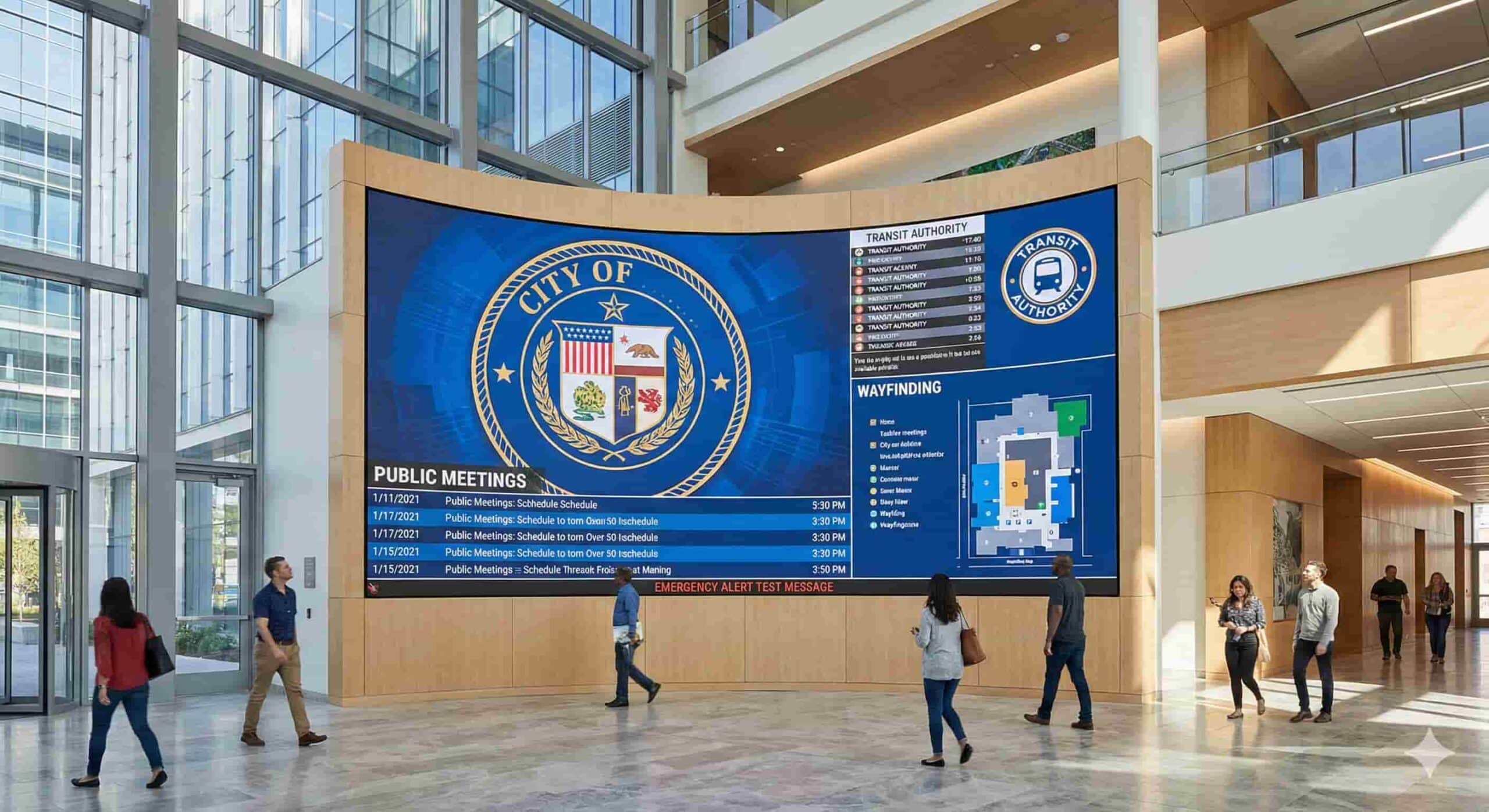
Public sector agencies bear the weight of protecting communities and delivering services. Leaders depend on clear visual intelligence to act …
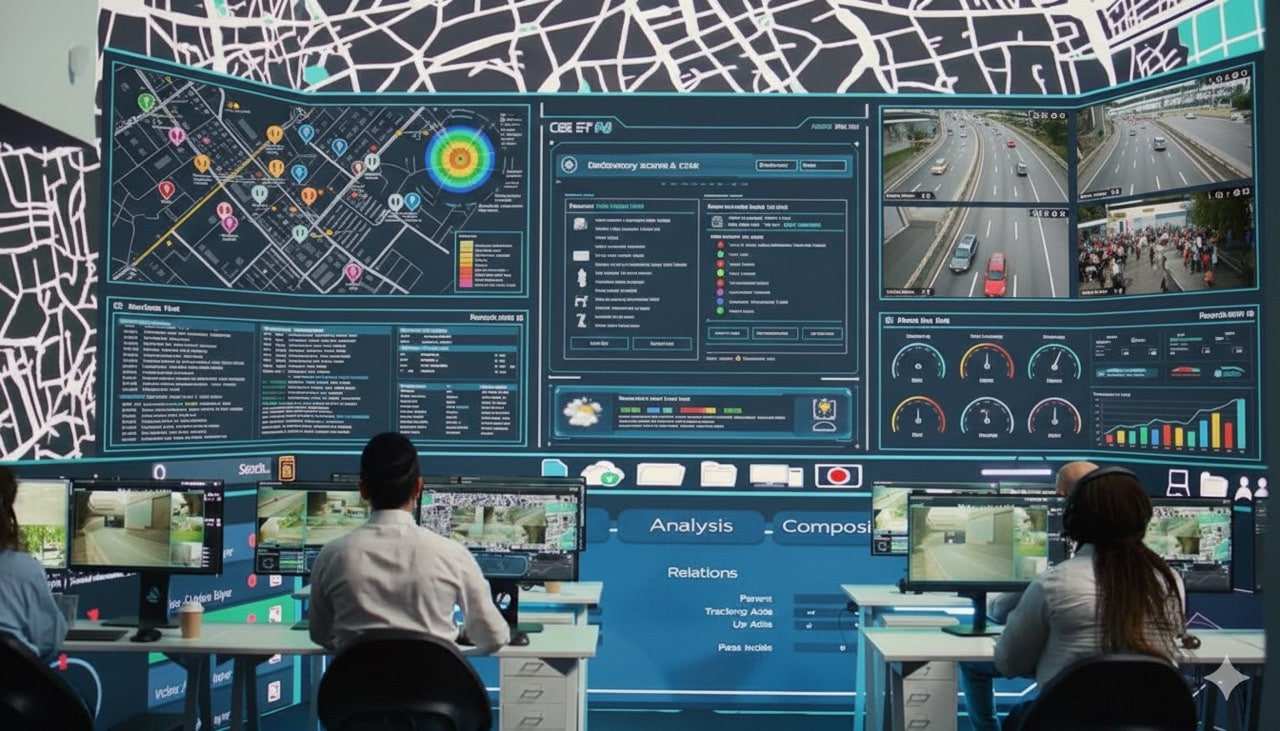
In emergency response environments, decisions are made in seconds. For 911 call centers, public safety answering points (PSAPs), emergency operations …

Your surveillance and security systems are only as strong as their weakest component. Outdated hardware, unsupported software, or a lack …