
Apr 01
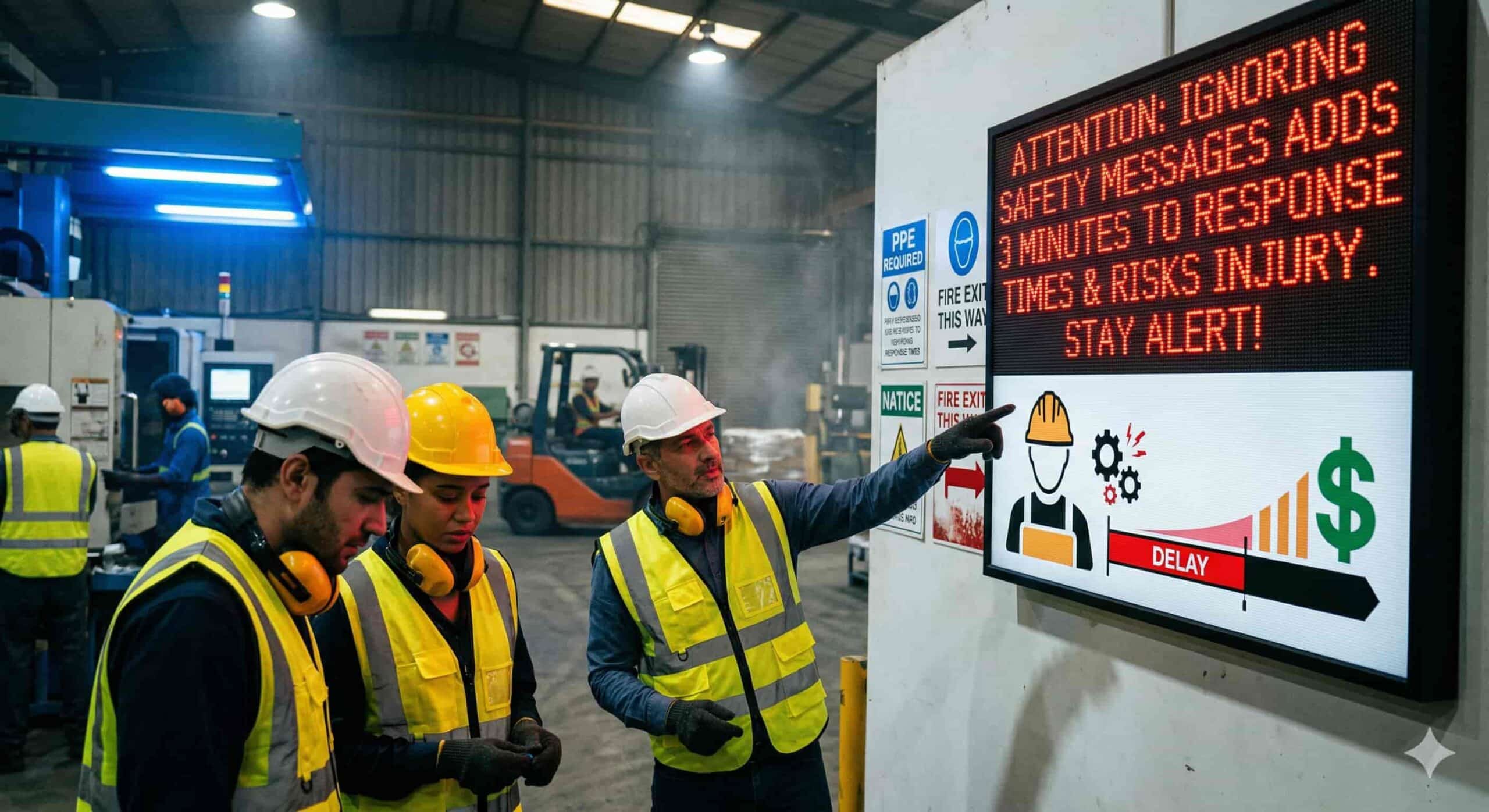
The Cost of Ignored Safety Messages (and How to Fix It)
Safety signs, policies, and reminders exist for a reason: to prevent injuries and protect employees. Yet incidents still happen. Why? …

Bulletin boards, printed manuals, and posters near break rooms or production floors were once the standard for sharing safety messages in the workplace.
Today, the landscape is changing. Organizations are increasingly using digital tools and connected platforms to deliver safety updates instantly through software displays, mobile devices, and internal communication systems.
This shift in workplace safety communication allows organizations to reach employees more quickly, engage them, reinforce safety practices more effectively, and build stronger safety cultures.
Workplace injuries are a major concern in the United States, with 2.5 million injuries and illnesses and nearly 5,000 deaths in 2024. These figures highlight the need for stronger prevention strategies and effective communication.
As George Bernard Shaw once said, “The single biggest problem in communication is the illusion that it has taken place.” This is often true in safety programs. Even well-written policies lose their value if employees rarely access or see the information when they need it.
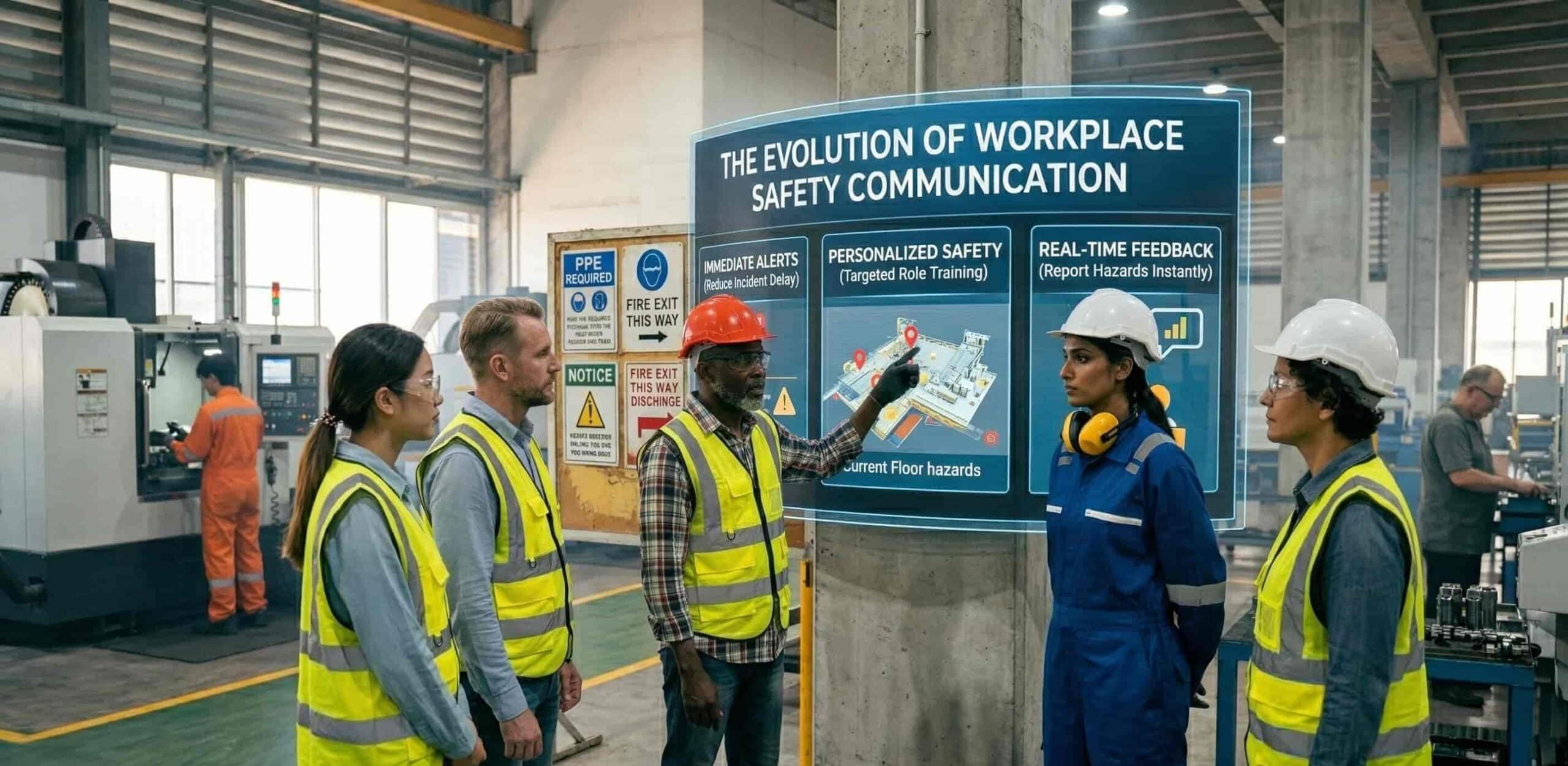
The ongoing evolution of safety communication reflects this challenge. Traditional tools like posters and bulletin boards often lose visibility, creating unnecessary risks. Modern workplaces now need communication strategies that keep safety information timely, accessible, and engaging.
Workplace safety communication has evolved from static reminders to interactive, real-time systems to modernize safety messaging for better compliance and awareness.
Traditional safety communication tools like posters, printed manuals, and bulletin boards still play an important role in many workplaces, but they also have limitations:
With technology at hand, communication methods are evolving as well. Organizations now rely on digital platforms to deliver safety messages, enabling them to customize features, access them easily, and communicate quickly.
Common platforms include:
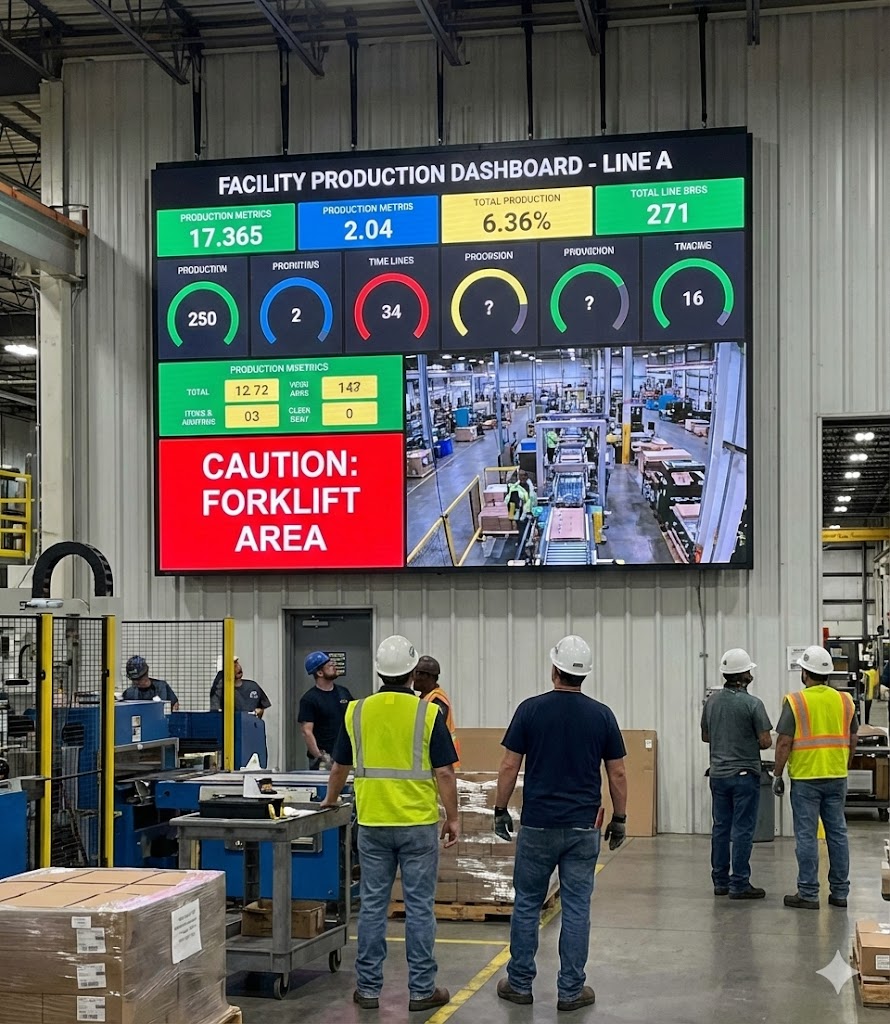
Modern safety platforms do more than show information. They support broader strategies that focus on engagement, awareness, and rapid response.
Digital tools create more opportunities for employees to engage in safety messages. Interactive displays can share training content, safety reminders, and short instructional videos.
These formats encourage participation rather than passive viewing. When employees regularly engage with safety content, awareness improves, and safety habits strengthen.
For example, the International Marine Contractors Association installed digital monitors on its vessels and in its offices to share lessons learned, company policies, and health and safety information. This led to better awareness, improved safety culture, and less need for printed materials.
During workplace emergencies, speed and clarity matter in safety messaging. Digital communication systems can send alerts instantly across multiple channels.
Real-time notifications help teams coordinate evacuations, equipment shutdowns, or hazard responses. Clear messaging across facilities ensures employees receive consistent instructions when quick action is required.
Digital communications systems also support safety culture through data and reporting tools.
Dashboards allow safety managers to track training completion, message delivery, and incident trends. Centralized analytics also help leadership evaluate how safety initiatives perform across departments or facilities.
Transitioning to digital tools does not mean abandoning what already works. Organizations can succeed by combining traditional methods with modern technology as part of their workplace safety strategies. Here’s how:

Static posters can easily blend into the background. Effective workplace safety communication needs more visibility, relevance, and timely delivery so employees actually see and act on messages.
Digital systems can send updates through screens, mobile alerts, and central platforms, helping you improve engagement and response during emergencies. S3 Technologies can help you modernize your safety communication strategy with tailored solutions.
Safety communication is now more dynamic. Instead of using static materials like posters and bulletin boards, organizations now rely on digital platforms such as interactive displays and mobile alerts to deliver real-time updates across multiple channels.
Digital safety platforms allow instant updates, targeted messages, and interactive content, boosting visibility and engagement. With clearer, timely messages, organizations can reduce the number of incidents and respond faster to alerts or emergencies.
Organizations can use easy-to-use training tools, mobile alerts, and digital displays to share safety information more often and more effectively.
Modernizing the delivery of safety communication can reduce incidents, improve compliance, and enable faster emergency response, leading to operational and financial benefits for your organization.
Organizations can track the following metrics to evaluate the effectiveness of safety communication:
Safety signs, policies, and reminders exist for a reason: to prevent injuries and protect employees. Yet incidents still happen. Why? …

Classroom learning today goes beyond textbooks and chalkboards. It’s interactive, visual, and powered by audiovisual (AV) tools that make lessons …
Attention is hard to capture and even harder to keep. In classrooms, students tend to lose focus when lessons feel …

The digital signage industry is expanding rapidly, with an expected reach of $35.65 billion by 2030. This growth demonstrates the …